

Pesticide Residue in Food: પેસ્ટિસાઇડનું ઝેર Factory થી તમારી થાળી સુધી કેવી રીતે આવી શકે?
1️⃣ Factoryમાં શરૂઆત થાય છે
પેસ્ટિસાઇડમાં એક active chemical ingredient હોય છે, જેને formulation બનાવીને બજારમાં વેચવામાં આવે છે.
ભારતમાં pesticideનું manufacture, import, transport, sale, distribution અને use Insecticides Act, 1968 અને Rules, 1971 હેઠળ regulated છે. CIB&RC registration પ્રક્રિયામાં મહત્વની ભૂમિકા ભજવે છે.
અહીંથી એક મહત્વનો સવાલ ઊભો થાય છે:
કયો chemical? કયા પાક માટે? કેટલા dosageમાં? અને harvest પહેલાં કેટલો waiting period?
2️⃣ Factory → Dealer → ખેડૂત
પેસ્ટિસાઇડ factoryમાંથી સીધું તમારી થાળીમાં નથી આવતું.
તે સામાન્ય રીતે:
Manufacturer/Importer
↓
Distributor
↓
Dealer/Retailer
↓
Farmer
↓
Crop
આ supply chainમાં જાય છે.
સરકાર પોતે pesticide manufacturers, importers, dealers અને retailersનું online database, licensing અને supply-chain monitoring વિકસાવવાની દિશામાં કામ કરી રહી છે.
3️⃣ હવે સૌથી મહત્વનો ભાગ—ખેતરમાં spray
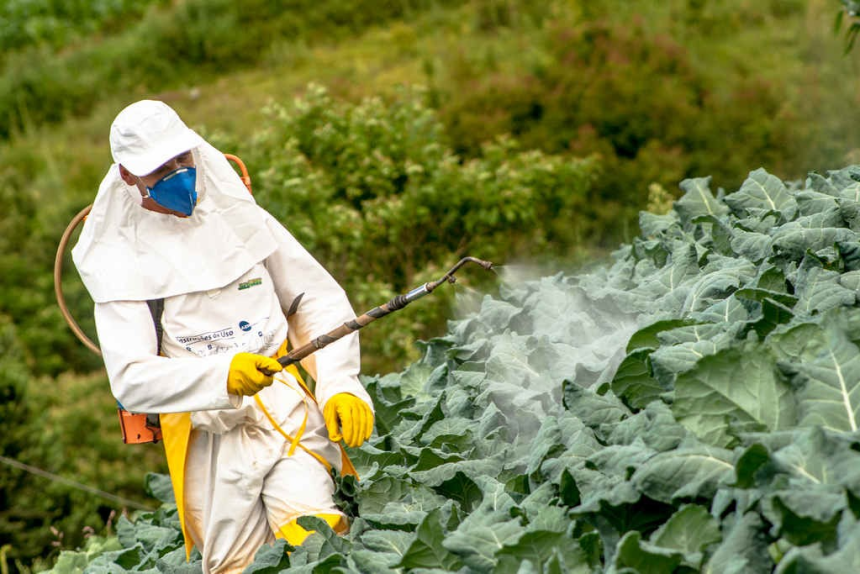
ખેડૂત પાક પર pesticide છાંટે છે.
પરંતુ chemicalનો એક ભાગ માત્ર જીવાત સુધી જ રહે એવું જરૂરી નથી.
તેના આધારે:
પાન/ફળની સપાટી પર residue
↓
માટી
↓
સિંચાઈનું પાણી / runoff
↓
આસપાસનું environment
સુધી પહોંચવાની શક્યતા રહે છે.
ICAR પણ pesticideના improper/excessive useથી soil અને water pollution થઈ શકે છે એવું જણાવે છે.
અને 2026માં ICARના weed-management research programmeમાં પણ herbicidesની soil, water, food-chain અને environment પર અસરનો અભ્યાસ મહત્વનો મુદ્દો તરીકે દર્શાવવામાં આવ્યો છે.
4️⃣ Cropમાં residue રહી શકે છે
અહીંથી “ખેતરથી થાળી”નો સૌથી સીધો રસ્તો શરૂ થાય છે.
જો pesticide યોગ્ય રીતે વપરાય તો chemical સમય સાથે ઘટી શકે છે.
પરંતુ જો:
વધારે dosage થાય
વારંવાર spray થાય
ખોટું pesticide વપરાય
harvest ખૂબ જલદી કરવામાં આવે
prescribed pre-harvest interval ન પાળાય
તો પાકમાં pesticide residue રહેવાની શક્યતા વધી શકે છે.
સરકારી monitoringમાં આવી બાબતો ખરેખર જોવા મળી છે. ઉદાહરણ તરીકે, FSSAIના એક monitoring reportમાં 1,205 food/environment samplesમાંથી 38માં pesticide residues મળ્યા હતા અને 12 samples FSSAI MRL કરતાં ઉપર હતા. એક અલગ vegetable datasetમાં market અને farmgate samples બંનેમાં residues મળ્યા હતા અને કેટલાક samples MRLથી ઉપર હતા.
એટલે “ખેતરમાં નાખ્યું → બધું જ નાશ પામે છે” એવું નથી.
કેટલાક chemicalના residues પાક સુધી રહી શકે છે.
5️⃣ ખેતર → બજાર
પાક harvest થાય છે.
પછી:
ખેડૂત → APMC/માર્કેટ → વેપારી → wholesaler → retailer → તમારું ઘર
આ દરમિયાન pesticide residue સામાન્ય રીતે “ધોઈને ઉતરી ગયું” એવું માનવું યોગ્ય નથી.
કેટલાક residues surface પર હોય છે અને કેટલાક પાકના ભાગોમાં અંદર પણ જઈ શકે છે.
એટલે માત્ર બહારથી ચમકતું અને તાજું દેખાતું શાક chemical-free હોવાનો પુરાવો નથી.
6️⃣ હવે આવે છે સૌથી મહત્વનો શબ્દ: MRL
MRL = Maximum Residue Limit
એટલે ચોક્કસ food commodityમાં ચોક્કસ pesticideનું કેટલું residue કાયદેસર રીતે સહન કરી શકાય તેની મર્યાદા.
FSSAI pesticide માટે food-wise MRL નક્કી કરે છે અને તેના માટે CIB-RC પાસેથી data લેવામાં આવે છે.
FSSAIના pesticide databaseમાં અલગ-અલગ pesticide અને commodity માટે MRL બતાવવામાં આવે છે—જેમ કે cucumber, grapes, potato અને tomato માટે અલગ limits હોઈ શકે છે.
અહીં બહુ મોટો misunderstanding થાય છે:
MRLનો અર્થ “આટલું pesticide ખાવું આરોગ્ય માટે સારું છે” નથી.
તે regulatory limit છે, જે food safety risk assessment અને Good Agricultural Practices જેવા આધારો પરથી નક્કી થાય છે.
🚿 7️⃣ ઘરે શાક ધોવાથી શું થાય?
અહીં પણ એકદમ “ધોઈ નાખ્યું એટલે pesticide ગયું” એવું કહેવું ખોટું છે.
ઘસીને/વહેતા પાણીથી ધોવાથી surface પર રહેલા કેટલાક residues ઘટી શકે છે, પરંતુ દરેક pesticide અને દરેક foodમાં અસર એકસરખી નથી.
અને જો chemical પાકની અંદર systemic રીતે હાજર હોય, તો માત્ર પાણીથી ધોવાથી તેને સંપૂર્ણ દૂર કરી શકાય એવું જરૂરી નથી.
એટલે:
ધોવું = સારું precaution
પરંતુ
ધોવું = 100% pesticide removal નહીં.
8️⃣ પછી રસોઈમાં શું થાય?
કેટલાક pesticide residues cooking, boiling અથવા processing દરમિયાન ઘટી શકે છે.
પરંતુ દરેક chemical માટે પરિણામ એકસરખું નથી.
તેથી “રસોઈ થઈ ગઈ એટલે બધા pesticide residue નાશ પામ્યા” એવું પણ કહી શકાય નહીં.
અને હવે આખી chain એક નજરમાં:
Chemical factory
↓
Formulation / pesticide product
↓
Distributor
↓
Dealer
↓
Farmer
↓
Crop પર spray
↓
Crop / soil / waterમાં residueની શક્યતા
↓
Harvest
↓
Market / wholesaler
↓
Retailer
↓
તમારું ઘર
↓
🚿 Washing / processing / cooking
પણ સૌથી મોટો સવાલ અહીં છે…
મને મળેલા સરકારી દસ્તાવેજોમાં એક ખૂબ જ રસપ્રદ અને તપાસવા લાયક મુદ્દો મળ્યો.
CIB&RCની 458મી Registration Committee meetingના minutesમાં લખ્યું છે કે spices અને vegetablesમાં off-label pesticides વારંવાર detect થયા હતા. દસ્તાવેજમાં 12 pesticidesની spicesમાં frequent detection અને vegetables માટે 72 pesticide–vegetable combinationsનું residue data generate થયાનું પણ નોંધાયું છે. ત્યારબાદ આ મુદ્દે industry stakeholders સાથે label-claim expansion અંગે ચર્ચા કરવાની વાત છે.
કારણ કે સવાલ માત્ર:> “પેસ્ટિસાઇડ ઝેર છે કે નહીં?”
એ નથી.
સવાલ છે:>“જે pesticide જે પાક માટે મંજૂર છે, ખેડૂત ખરેખર એ જ રીતે વાપરે છે કે નહીં? Off-label use કેટલું છે? MRL કરતાં વધારે residue કેટલા samplesમાં મળે છે? અને factoryથી dealer સુધી વેચાણની chainમાં farmerને સાચી માહિતી કોણ આપે છે?”
અને ICAR પાસે pesticide-residue analysis માટે રાષ્ટ્રીય network અને NABL-accredited laboratories પણ છે.